
A chipped veneer is inconvenient. A missing tooth changes how you chew, speak and smile every single day. Little wonder permanent solutions are on the radar for so many Melburnians this year. Among the options, dental implants continue to lead the pack for durability and feel, yet plenty of people still hesitate because the process sounds complex or invasive. Below is a plain-English look at what really matters before you commit.
Beyond the Gap: Why Function Matters as Much as Appearance
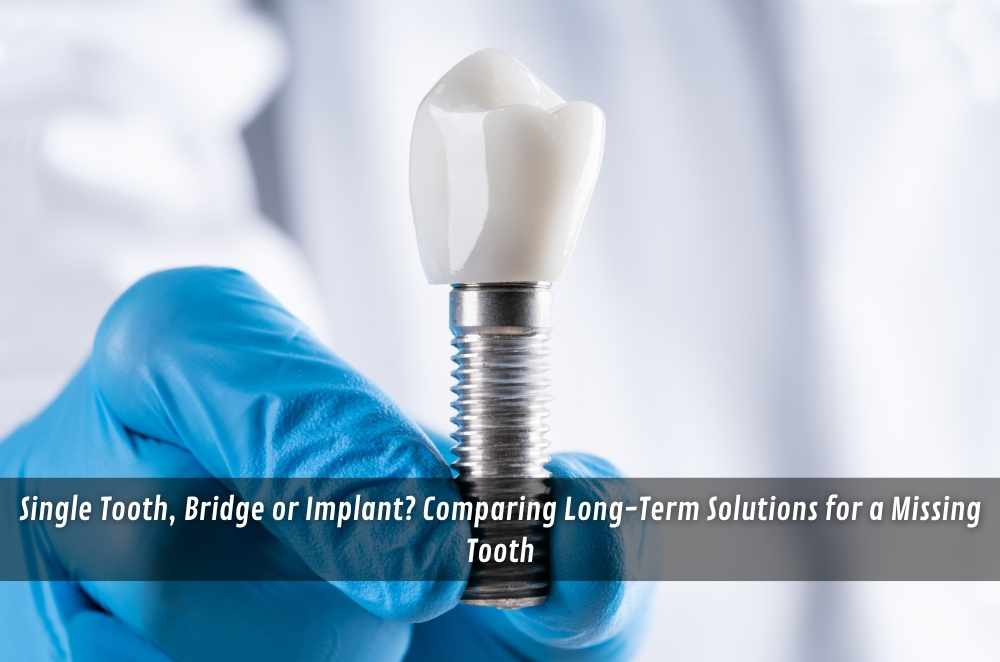
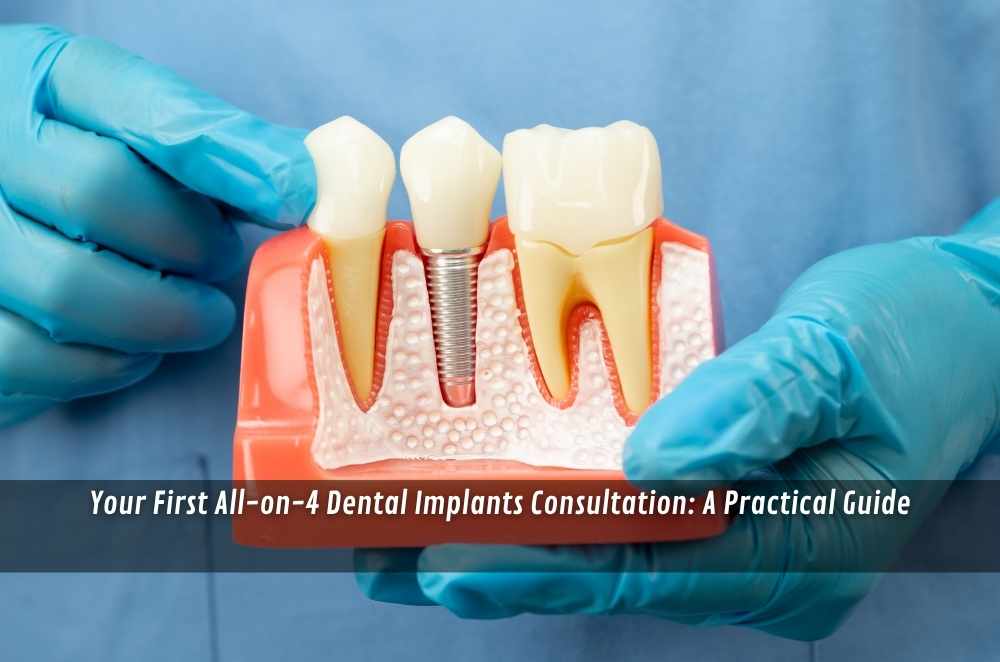
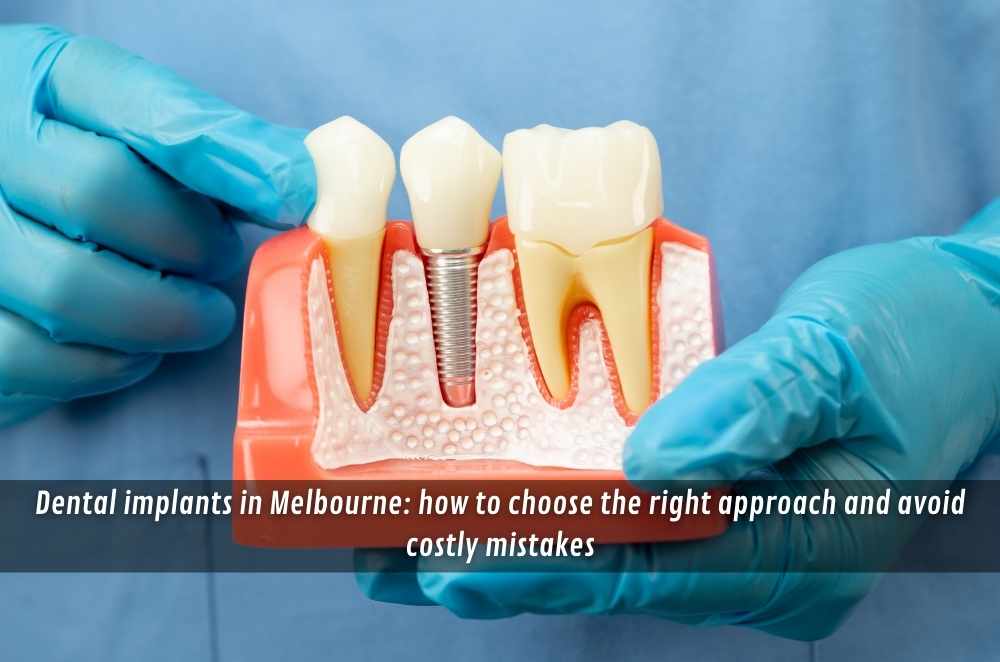
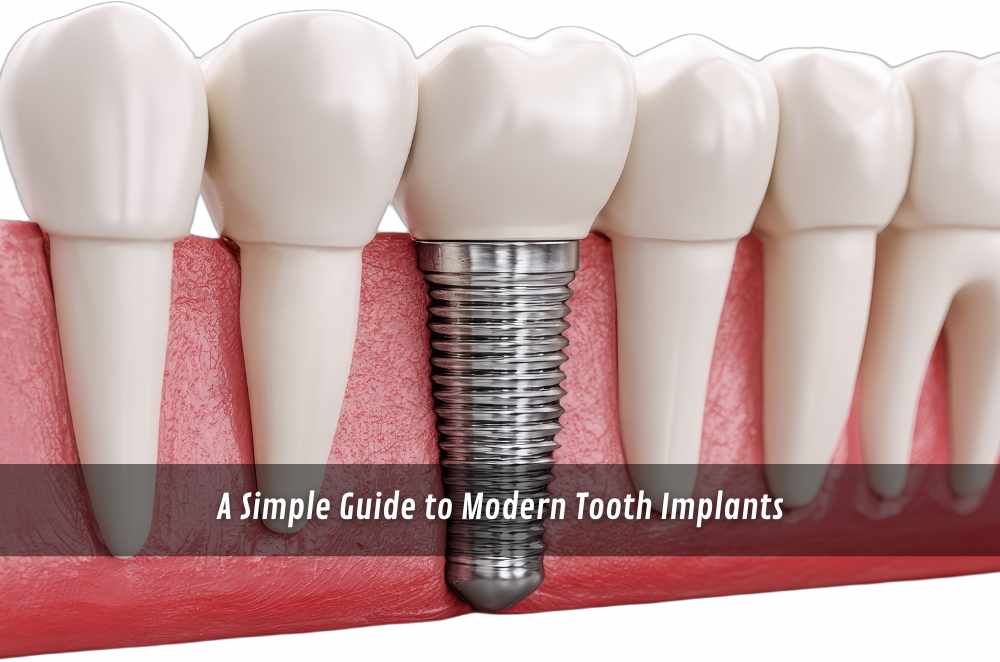
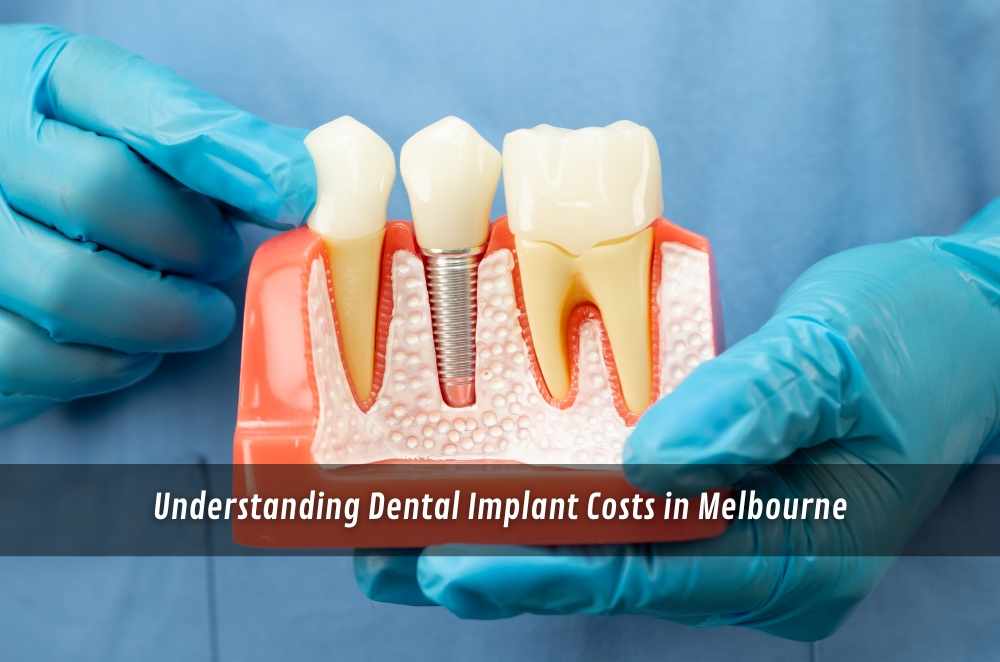
An implant does more than fill a space in a photo. The titanium post behaves like a replacement root, pressing tiny mechanical forces into the jaw every time you bite. That pressure slows the natural bone loss that follows extraction. Bridges and removable plates, by contrast, sit on top of the gum and can leave the underlying bone unstimulated. If the ridge thins out, neighbouring teeth may drift or feel loose over time.
For active adults who cycle along the Yarra or socialise over Sunday brunch, comfort ranks as highly as aesthetics. Because an implant crown is fixed, there is no acrylic palate to dull taste or shift while you’re mid-sentence. Those everyday differences add up to quality of life, not just a nicer selfie.
Timelines That Don’t Fit the Instagram Reel
Scrolling short-form videos can give the impression implants happen overnight. In reality, your personal timeline depends on:
The condition of the extraction site
Whether grafting is needed to boost bone volume
Healing response, which varies with age, medication and general health
A straightforward single implant placed in healthy bone might be ready for its crown in 10–12 weeks. Full-arch or grafted cases can stretch to six months or longer. The wait is mostly silent healing time, but understanding it upfront prevents disappointment when friends ask, “Aren’t you done yet?”
If you want a deeper dive into preparation and recovery from a patient’s perspective, this practical guide on replacing missing teeth walks through consult questions and early decision checkpoints that often get glossed over in a quick clinic brochure.
Common Misconceptions That Hold People Back
Plenty of perfectly eligible candidates talk themselves out of implants after reading a forum thread that focuses on worst-case scenarios. Three myths crop up more than most.
“I’m Too Old”
Chronological age is rarely the deal-breaker. Bone density, gum health and systemic conditions such as uncontrolled diabetes matter far more than the candles on your birthday cake. Many retirees proceed successfully once their GP clears any medication interactions.
“It’s Excruciating”
Modern implant surgery is typically done under local anaesthetic with or without light sedation. Post-op discomfort often feels similar to an extraction and is managed with over-the-counter pain relief. The key is following the post-surgery instructions on hygiene and diet rather than pushing through steak night on day two.
“If It Fails, I’m Back to Square One”
Early failures are uncommon and generally linked to infection or overloading the implant too soon. Even then, clinicians can usually clean the site, allow it to heal and place a new fixture later. Being diligent with review appointments and oral hygiene keeps the odds strongly in your favour.
Comparing Implants, Bridges and Dentures at a Glance
Occasionally the debate isn’t “implant or nothing” but “implant or the other two stand-bys”. The matrix below sums up key trade-offs many Melbourne patients weigh in 2026.
Dental Implant
Jaw bone stimulation: Yes, it can help maintain bone volume.
Impact on adjacent teeth: None, as the implant stands independently.
Longevity potential: 15+ years with proper upkeep.
Day-to-day feel: Generally feels more like a natural tooth.
Upfront cost: Usually the highest of the three options.
Cumulative cost over 15 years: May be lower than repeated bridge or denture replacements.
Fixed Bridge
Jaw bone stimulation: No.
Impact on adjacent teeth: Adjacent teeth are typically trimmed to support the crowns.
Longevity potential: Around 7–12 years before a major replacement may be needed.
Day-to-day feel: Solid, although the crown span can sometimes trap food.
Upfront cost: Mid-range.
Cumulative cost over 15 years: Costs can increase with each replacement.
Removable Denture
Jaw bone stimulation: No.
Impact on adjacent teeth: Generally none, although clasps may place additional load on supporting teeth.
Longevity potential: Around 5–7 years before relining or replacement may be required.
Day-to-day feel: Can feel bulkier and may move or click during use.
Upfront cost: Usually the lowest.
Cost figures vary widely between clinics, materials and individual needs, so use the longevity rows as your starting benchmark rather than a fixed dollar forecast.
Long-Term Health and Regulation
While marketing often spotlights shiny ceramic crowns, the unseen biology under the gum makes the biggest difference after year five. Regular maintenance visits matter because peri-implantitis (gum infection around implants) can creep in silently. Professional cleans paired with home floss or interdental brushes reduce that risk.
From a safety standpoint, the Therapeutic Goods Administration (TGA) regulates implant components in Australia. Reputable clinicians can identify the batch number of every screw and abutment used. If you’re unsure, ask to see the implant passport recorded in your notes.
Government-backed consumer information such as the guide from Healthdirect Australia sets out general eligibility, recovery expectations and warning signs to watch for. Cross-checking clinic advice against an independent source can clarify whether a suggestion is standard practice or a sales pitch.
A Decision Worth Sleeping On
Permanent tooth replacement touches more than just appearance; it influences bone health, speech confidence and what shows up on your grocery list. Taking an extra fortnight to confirm suitability, understand the timeline and budget for maintenance is rarely time wasted. Speak openly with your clinician about medical history, ask to see example implant passports and be wary of anyone promising a one-size-fits-all timeframe. When the treatment plan aligns with both your biology and your lifestyle, the day the crown finally clicks into place feels less like a procedure and more like closing a chapter you’re ready to leave behind.

Write a comment ...