
Losing even a single tooth can create a domino effect: neighbouring teeth shift, bite forces change and it suddenly becomes harder to smile with confidence. Today’s dentistry offers several reliable ways to fill the gap, but each path comes with different trade-offs around lifespan, comfort, cost and everyday maintenance. This article breaks down the three most common solutions—single-tooth implants, fixed bridges and removable partial dentures—to help you discuss the best fit with your dentist.
Why Replacing a Missing Tooth Matters
Leaving a gap is more than a cosmetic issue. Over time, the adjacent teeth can tilt or drift, the opposing tooth may over-erupt, and the jawbone in the empty socket gradually shrinks. According to Australian Dental Association guidance, bone loss can occur within months of extraction, affecting facial contour and complicating future restorations. Replacing the tooth early helps:
• Preserve natural alignment and bite
• Maintain chewing efficiency and clear speech
• Support the shape of your lips and cheeks
• Reduce uneven wear on surrounding teeth
Tooth-Replacement Options at a Glance
The table below sums up how a single-tooth implant, a fixed bridge and a removable partial denture compare on the factors people ask about most.
Single-tooth implant
Longevity Potential: 15–25+ years when well maintained
Involves Surgery? Yes – minor to moderate
Impact on Adjacent Teeth: None; preserves bone
Everyday Comfort: Feels and functions like a natural tooth
Typical Maintenance: Brush, floss with a threader or interdental brush, and attend regular check-ups.
Fixed bridge
Longevity Potential: 10–15 years on average
Involves Surgery? No
Impact on Adjacent Teeth: Requires shaping of the two neighbouring teeth
Everyday Comfort: Fixed in place; initial slight bulkiness
Typical Maintenance: Brush, floss under the bridge with a special threader, and attend regular check-ups.
Removable partial denture
Longevity Potential: 5–10 years, sometimes longer
Involves Surgery? No
Impact on Adjacent Teeth: None, but clasps may rub
Everyday Comfort: Removable; bulkier plate may affect speech
Typical Maintenance: Clean daily outside the mouth, soak overnight, and attend regular check-ups.
When a Fixed Bridge Makes Sense
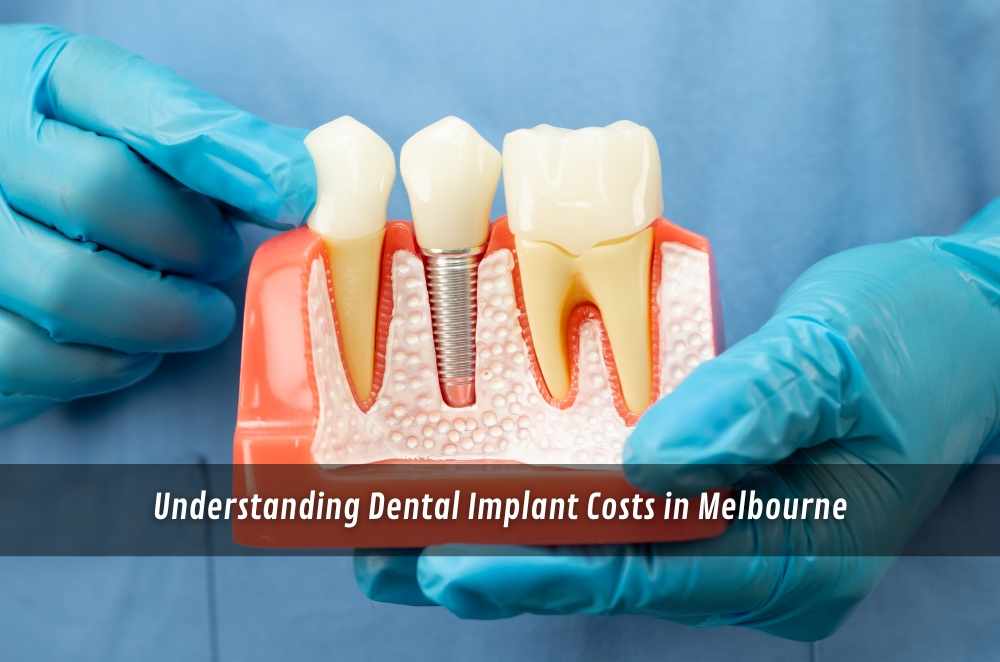
A fixed bridge consists of two crowns bonded to the healthy teeth beside the gap with an artificial tooth (pontic) suspended between them. It is cemented permanently, so you won’t take it out at night. Key considerations include:
• Speed: A bridge often requires just two dental visits once the gums have healed after extraction.
• Surgery-free: Patients who prefer to avoid implant surgery or who have insufficient bone may find a bridge the simpler route.
• Tooth reshaping: The downside is that the adjacent teeth must be filed down to hold crowns—even if they were previously untouched.
• Oral hygiene: You’ll need a floss threader or interdental brush to clean under the pontic daily.
Readers comparing treatment timelines may also appreciate this earlier guide on the signs you might need same-day implants, which discusses when immediate placement is clinically possible.
Why Many Melbourne Adults Favour Single-Tooth Implants
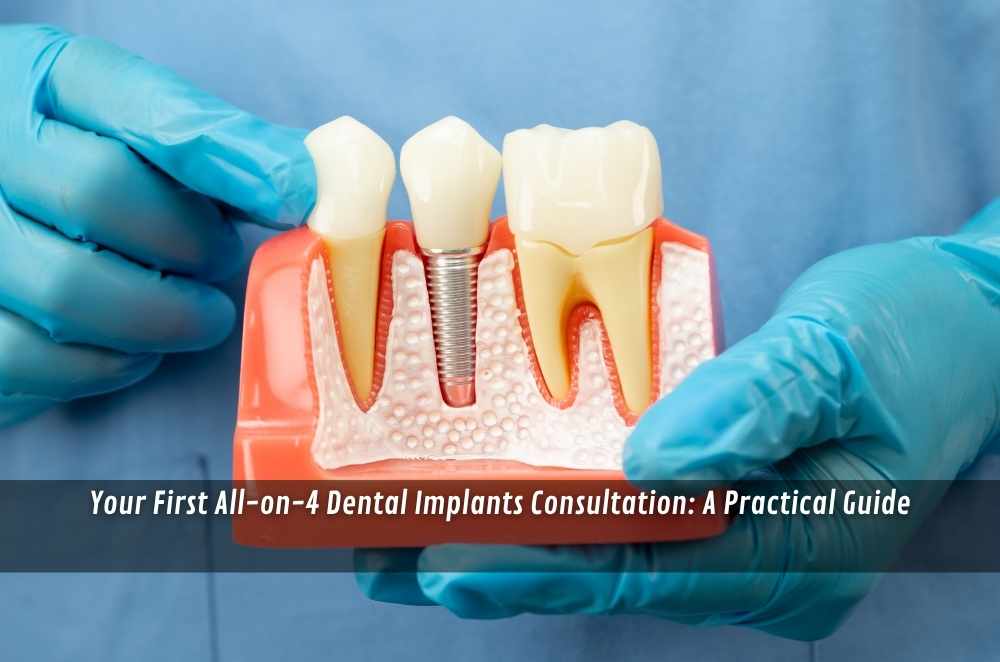
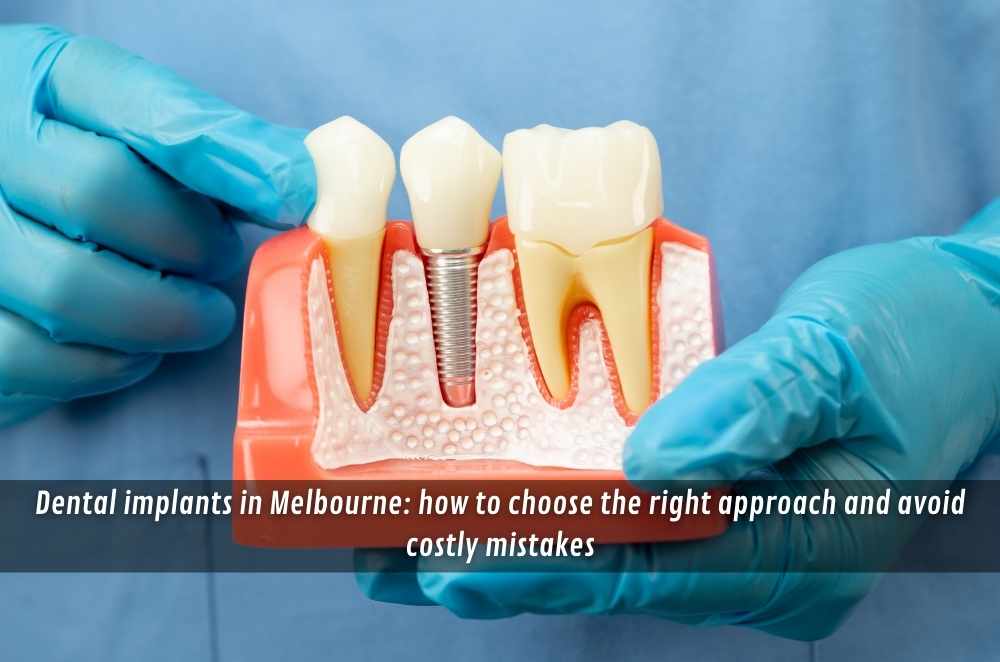
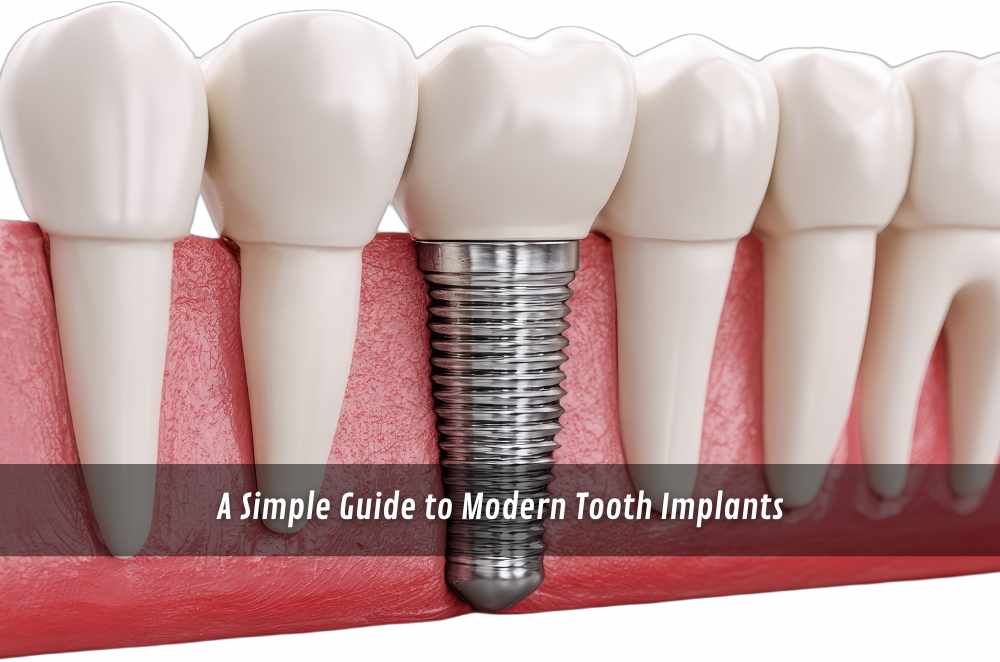
Dental implants replace not just the visible crown but also the missing root, stimulating the jawbone and preventing the resorption that can age a smile. An implant for a single tooth typically involves:
• A biocompatible titanium fixture placed into the bone
• A healing period of two to four months, depending on bone quality
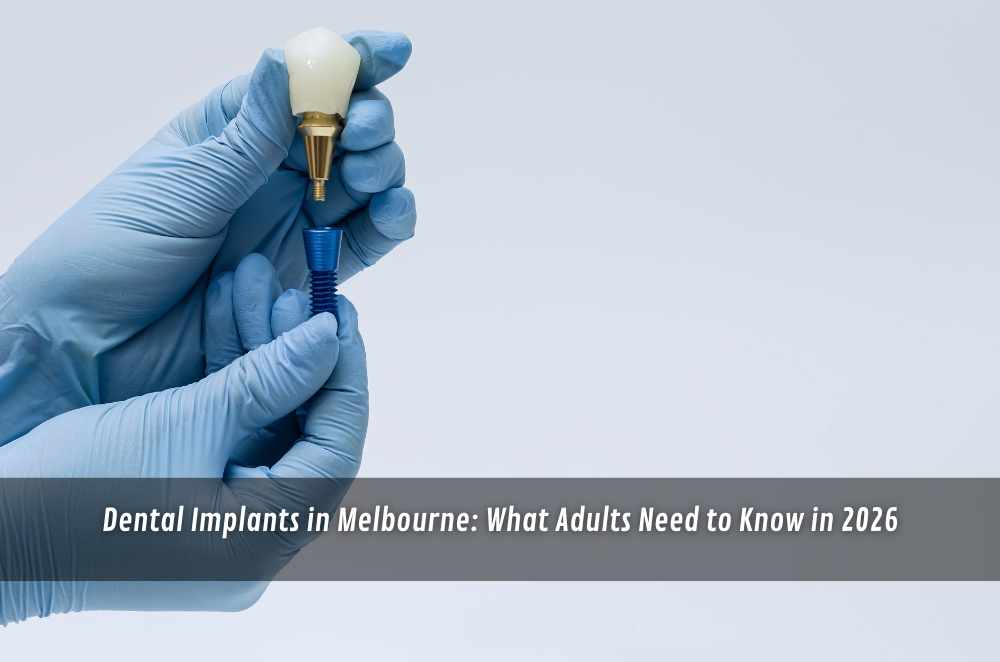
• An abutment and custom porcelain crown that matches surrounding teeth
Because no neighbour is altered, an implant is considered the most conservative long-term solution despite the upfront surgery. If you’re exploring whether the procedure suits your mouth, you can explore modern dental implant options in Melbourne to understand assessment steps, likely timelines and typical after-care.
Common Questions About Single-Tooth Implants
Will the procedure hurt?
Local anaesthetic prevents pain during placement, and most patients report only mild post-operative discomfort manageable with over-the-counter medication.Am I too old?
Age itself is rarely a barrier as long as you are healthy enough for minor surgery and have adequate bone or bone-grafting options.What if I grind my teeth?
Your dentist may recommend a night guard to protect the implant crown from excessive forces.
Considering Removable Partial Dentures – Pros and Cons
A removable acrylic or cobalt-chrome denture plate clips around existing teeth to hold the replacement tooth. Though less popular for single gaps today, it remains relevant when:
• Budget is tight or multiple teeth will be replaced in stages
• Adjacent teeth are not suitable for crowns
• A temporary solution is needed before implant placement
Potential drawbacks are thickness in the mouth, reduced chewing efficiency and the need for daily removal and soaking. Clasps can sometimes place light forces on supporting teeth, so professional adjustments are essential.
Questions to Ask Your Dental Professional Before Deciding
• How strong is my jawbone around the missing tooth, and would grafting be required for an implant?
• Are the neighbouring teeth healthy enough to support a bridge, or would shaping them risk future issues?
• Which option best matches my lifestyle in terms of cleaning routine and comfort?
• What follow-up appointments and X-rays are needed to monitor long-term success?
• How might my existing oral habits—such as clenching or a sweet diet—affect each solution’s lifespan?
Final Thoughts
Replacing a single missing tooth is a personal decision that balances biology, lifestyle and budget. An implant offers the closest feel to a natural tooth and protects bone volume, a bridge delivers a fixed result quickly without surgery, and a removable denture can bridge the gap—literally and financially—while you plan longer-term treatment. By understanding how each option performs over time and discussing your circumstances with a qualified dental professional, you’ll be well placed to choose a solution that keeps you smiling confidently for years to come.

Write a comment ...