
Dental implants are less a single treatment and more a pathway with a few forks: what’s being replaced, how quickly it needs to happen, and what long-term maintenance looks like. A good plan fits biology and real life.
Most regret comes from unclear planning, not from the implant itself.
Who implants suit, and when they might not
Implants often suit people with stable gums, consistent home care, and enough bone to support the design (or a staged plan if bone needs improving). Medical factors like uncontrolled diabetes, smoking/vaping, some medications, and heavy grinding can change timing or approach, so they’re worth raising early.
But “not right now” is common.
Sometimes a bridge or denture is a sensible interim option while gum stability and budgeting are brought into line.
The decisions that matter before saying yes
Single tooth, multiple teeth, or full-arch
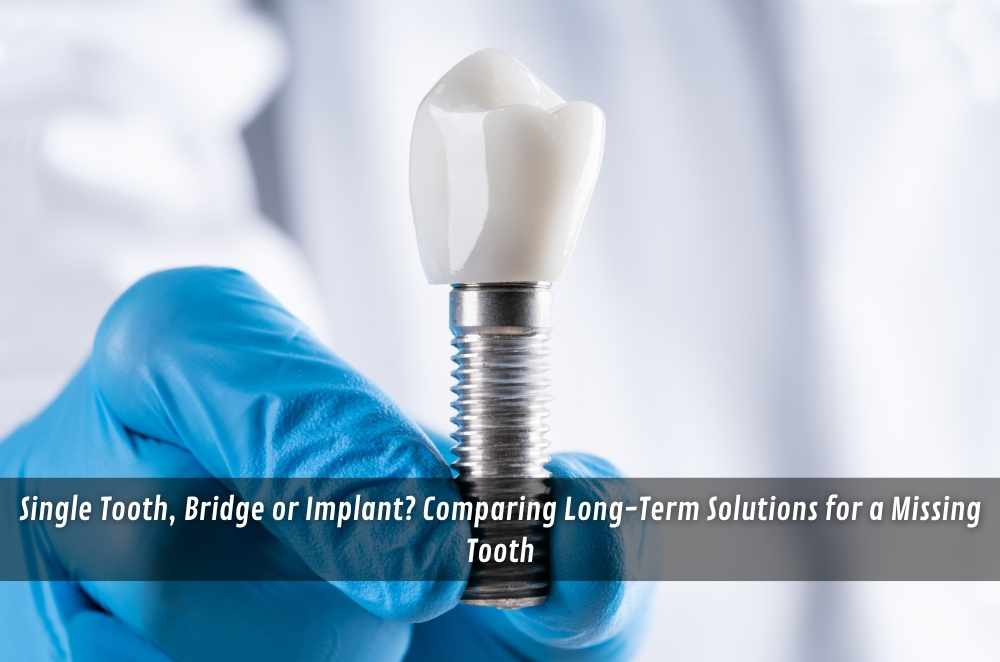
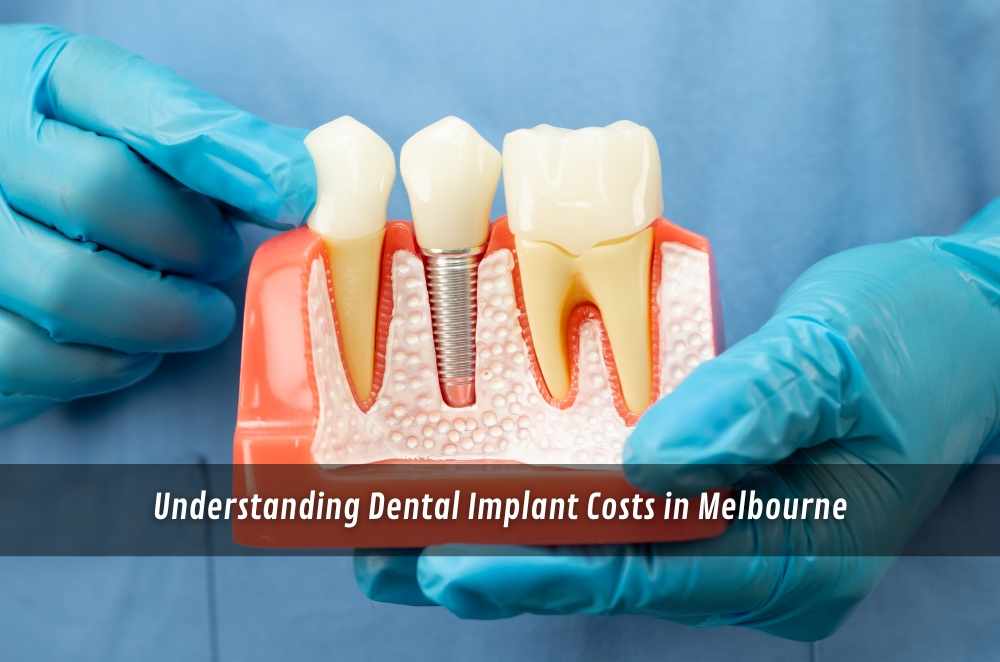
A single missing tooth implant options for replacing missing teeth, but bite forces and gum-line aesthetics still need planning. For multiple missing teeth, fewer implants supporting a bridge can be more budget-friendly, while more implants can spread load.
Full-arch options add fixed-versus-removable choices, cleaning access, and the reality that “same-day teeth” often means a temporary while healing continues.
Timeline expectations and maintenance
Healing time isn’t a setback; it’s part of the design. Ask for best-case, typical, and slower-case timelines, plus what would trigger a change (for example, grafting or gum treatment).
Implants don’t get cavities, but the tissues around them can inflame if plaque control is poor, so cleaning access matters as much as the look.
Common mistakes that lead to delays or regret
Buying the headline promise. “Same day” and “works for everyone” are marketing phrases; suitability depends on gum health, bone, and bite. Ask what would rule a person out and what the fallback plan is.
Skipping proper records. Without the right imaging, “quotes” can miss extractions, grafting, or stabilisation. Request a step-by-step sequence with “if needed” items clearly marked.
Treating gum disease as separate. Inflammation can undermine healing and long-term stability, so deal with bleeding and pocketing early. Reassess once things are stable.
Ignoring grinding/clenching. Excess forces can overload components and prosthetics, so ask whether a guard, bite adjustment, or design change is recommended.
No maintenance plan. If it’s hard to clean, it’s hard to keep, so get a realistic routine, tools list, and recall schedule before committing.
What a good consult looks like
A good consult should cover health history and medications, clear options, realistic timelines, and a maintenance plan that matches your habits. Bringing a short list of priorities (fixed teeth, easiest cleaning, staged costs, minimal downtime) keeps the appointment focused.
A simple prompt like the High Dental Implants Melbourne consultation checklist can help keep the conversation centred on decisions, not just a number.
Operator Experience Moment
In practice, the calmest patients aren’t the ones who know every technical term. They’re the ones who arrive with priorities and permission for the plan to be staged if biology demands it. That shift turns the appointment into joint problem-solving rather than pressure.
Decision factors when choosing an approach or provider
Process beats promises.
Look for clear sequencing (what happens first and why), honest trade-offs, and a plan that includes contingencies without rushing. Also consider practical fit: travel time across Melbourne, parking or train access, time off work, and whether follow-ups can be booked ahead.
Simple first-actions plan for the next 7–14 days
Day 1–2: Write priorities and constraints (budget comfort, downtime, anxiety triggers).
Day 3–5: Book a diagnostic consult focused on options and sequencing, and ask what records will be taken.
Day 6–7: Gather health details (medications, conditions, smoking/vaping, grinding history).
Week 2: Compare plans on “why and what could change”, then choose the clearest pathway.
Week 2: Set the maintenance baseline with daily plaque control and a clean if overdue.
Local SMB mini-walkthrough: how Melbourne patients often make it practical
They book consults near a train line or reliable parking, then group appointments to cut churn. They keep a written timeline in one place.
They align surgical visits with lighter workdays and allow a recovery buffer.
They ask early about follow-up availability around school holidays and end-of-year rush. They pre-book key reviews.
They choose a design they can realistically clean between meetings and family commitments. They buy the right tools upfront.
They budget by stages (records, surgery, final teeth, maintenance) to avoid surprise bills. They confirm what’s “if needed”.
Practical Opinions
Choose the plan that explains trade-offs clearly.
Staging is often smarter than rushing.
Cleaning ease beats “perfect” aesthetics that are hard to maintain.
Key Takeaways
Suitability varies, so diagnosis and planning matter more than marketing claims.
Ask for timelines with contingencies, not a single optimistic date.
Compare plans by sequencing, maintenance, and support, not just price.
Make logistics part of the decision: travel, time off, and follow-ups.
Common questions we hear from Australian businesses
How much downtime should staff expect after implant appointments?
Usually, downtime depends on the stage (assessment, extractions, placement, or final fitting) and the individual’s healing. A practical next step is to request a staged timeline in writing; in Melbourne, many people book surgical visits mid-week to protect weekends.
Are “teeth in a day” options suitable for most people?
It depends on bone quality, gum health, and whether extractions or grafting are needed, because immediate loading isn’t right for every case. A practical next step is to ask what would rule someone out; in VIC, follow-up access matters, so travel time across Melbourne should be considered.
What if someone is anxious about dental treatment?
In most cases, anxiety can be managed with clear steps, shorter visits, and agreed signals to pause, but it needs to be raised early. A practical next step is to list triggers before the consult; in Melbourne, early appointments can reduce waiting-room stress for time-poor owners and staff.
How can a business compare quotes without missing important differences?
Usually, itemised plans are more useful than a single total because inclusions and “if needed” steps vary. A practical next step is to compare by stages; locally, many people budget more easily when costs are grouped by checkpoints.


Write a comment ...