
If you’ve been typing things like cost of tooth implant in Melbourne into Google, you’ve probably already seen just how messy the pricing looks. One clinic says implants start “from $3,000”, another is closer to $6,000, and a third gives you a range instead of a firm number. It’s confusing, and it’s not just you – most patients feel exactly the same way the first time they start looking.
The thing is, “implant cost” isn’t one neat fee. It’s a stack of smaller costs – planning, scans, surgery, the titanium implant, durable single tooth implants, the crown on top, and sometimes bone grafting – all bundled together. Once you unpack those pieces, the quotes you’re getting in Melbourne usually start to make a lot more sense.
What you’re actually paying for
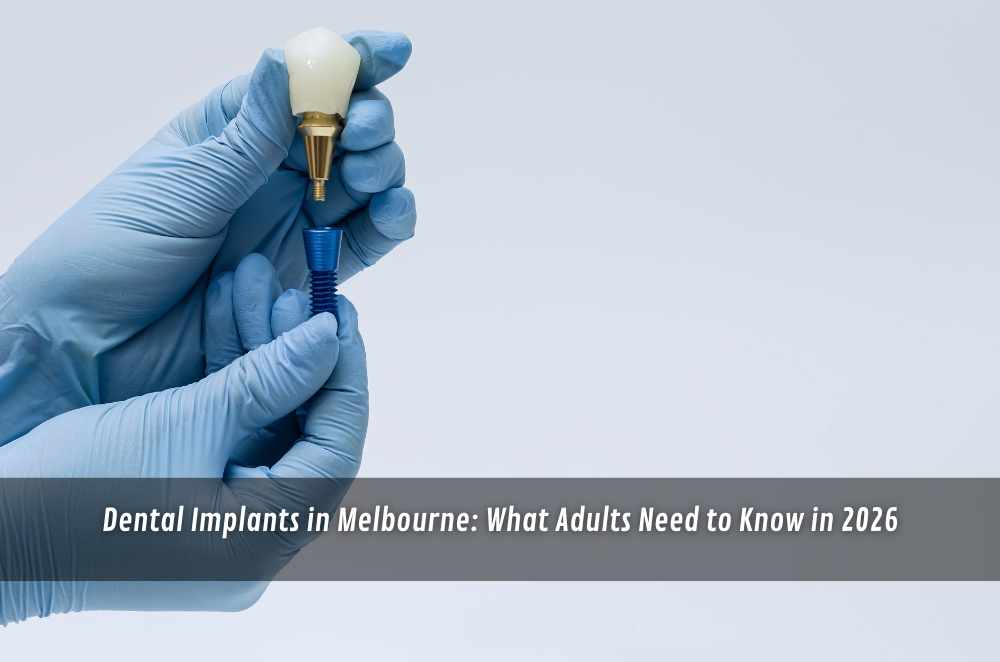
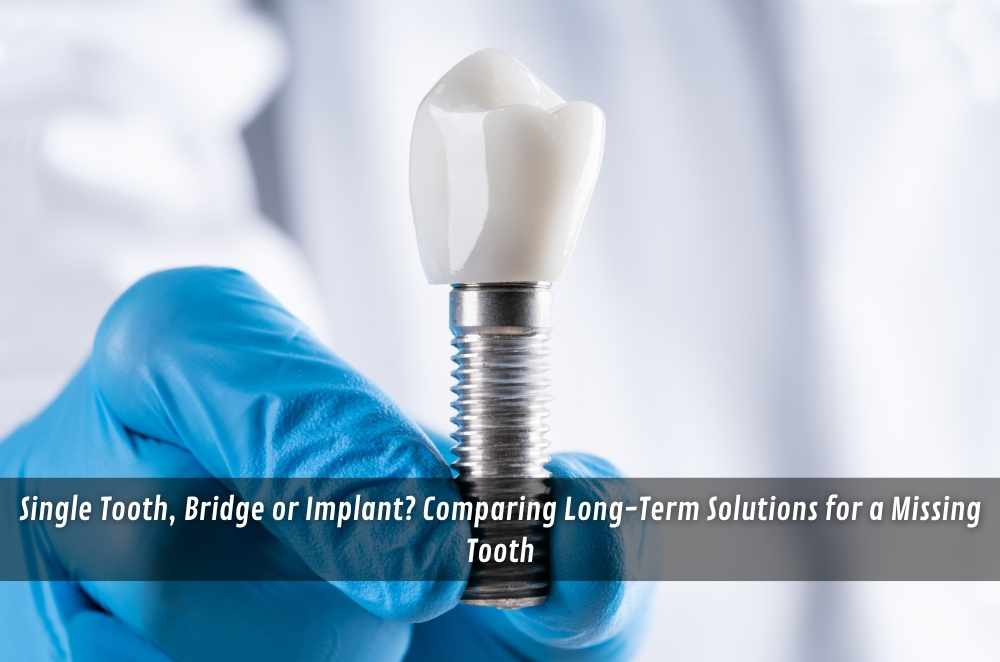
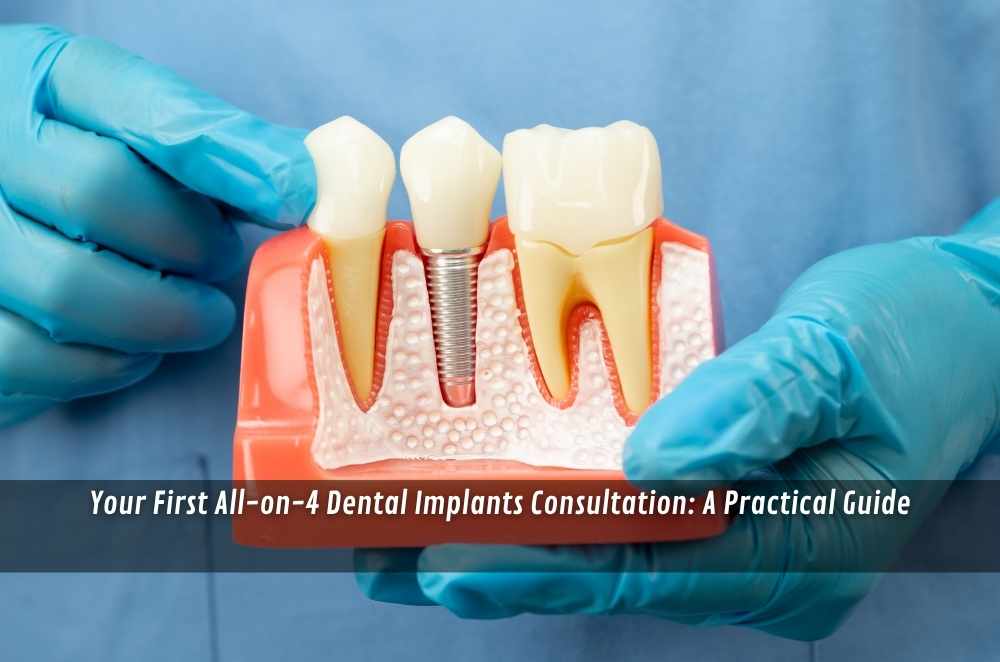
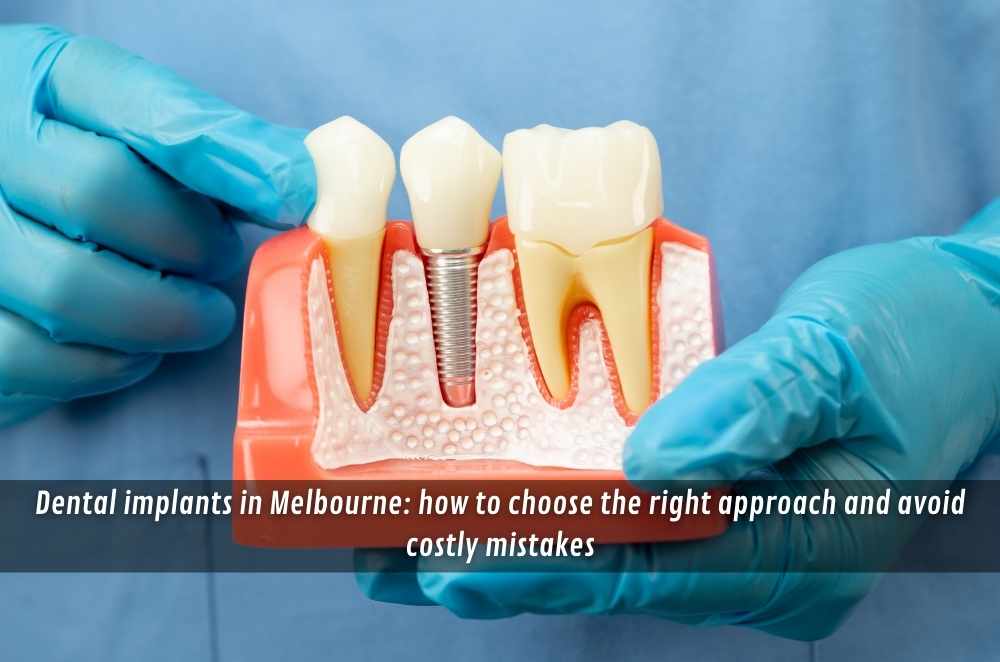
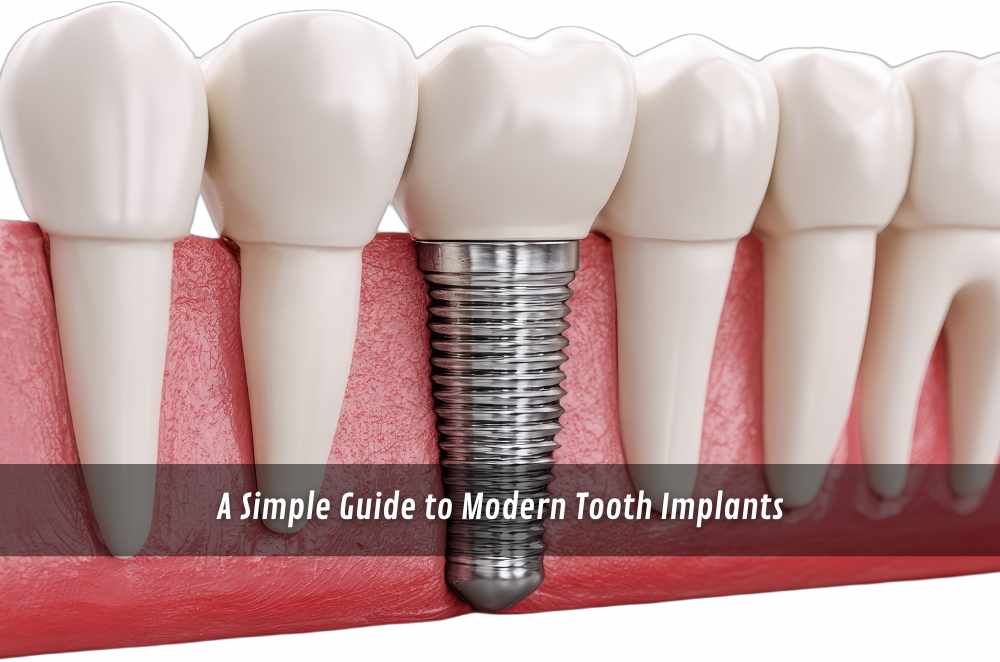
Before you even talk dollars, it helps to be clear on what a dental implant is. In simple terms, it’s a metal screw that goes into the jaw to replace a missing tooth root. That screw then supports a crown, bridge, or denture so you can chew and smile as if the tooth were still there. The whole process is done in stages over a few months.
A typical single-tooth implant treatment plan might include:
An initial consultation and full exam
X-rays and often a 3D scan (CBCT)
Removal of the old tooth, if it’s still hanging in there
The surgical placement of the implant
Time for the bone to heal and fuse to the implant
An abutment (connector) and a custom-made crown
Review visits and minor adjustments
Every one of those steps has a cost attached. Some clinics bundle them into one “global” fee. Others split them out so you see each item separately. Neither approach is right or wrong – but it does explain why one quote can look higher or lower at first glance.
Why Melbourne implant quotes differ so much
If you grab three quotes from three Melbourne clinics, you’ll probably see three different numbers. That doesn’t automatically mean someone’s overcharging. It usually comes down to a few big factors:
Complexity of your case – Is it one tooth, several teeth, or most of the mouth? Is there enough bone, or do you need grafting first?
Experience of the dentist or specialist – More experienced clinicians often charge more, but may also manage tricky cases better.
Implant system and materials – There are different brands, component options and lab fees.
What’s actually included – Scans, temporary teeth, reviews, sedation… or just the basics.
Practice overheads – A small suburban clinic and a high-end CBD set-up simply don’t have the same running costs.
From the patient's side, all you see is the final figure. But behind that number are a lot of choices: which implant system, which lab, whether they include a temporary crown, whether the fee covers a “just in case” follow-up.
Typical cost ranges and real-world examples
There’s no official national fee list for dental implants. But when you look across Australian clinics, most guides put a single implant (including crown) in the ballpark of $3,000 to $7,000 per tooth, depending on what’s involved.
For bigger cases, like full-arch or full-mouth solutions, it’s quite normal to see figures from $20,000 to $40,000 or more when multiple implants, high-end materials and complex lab work are needed.
A pretty typical story in Melbourne might look like this:
You’re missing a lower molar, and the tooth’s already gone
There’s good bone, so no grafting is needed
You need a 3D scan, implant surgery, abutment and ceramic crown
The quote comes in somewhere around the mid-$4,000s for everything
Change just one variable – maybe you’ve been missing the tooth for years and need a bone graft first – and suddenly the overall cost goes up. Same if you’re replacing a highly visible front tooth and want more time spent on the cosmetics.
How funding and rebates actually work here
Here’s the blunt bit: Medicare doesn’t usually pay for implants. In Australia, most dental care – including implants – is provided privately, and you pay the majority of costs yourself. Healthdirect’s guide on dental care spells it out pretty clearly: Medicare only covers limited dental services in specific situations, mostly for eligible children and certain veteran cardholders.
To soften the blow, people often piece together funding from several places:
Private health insurance with major dental cover – often pays a portion, but usually nowhere near the full amount
Superannuation access – in some cases, patients apply to access super early on hardship or compassionate grounds (best done with proper financial advice)
In-house payment plans – many clinics now spread fees across the treatment stages
Third-party finance providers – essentially medical loans, which can help, but do come with interest
Start digging into the broader cost of dental procedures in Australia. You’ll see a consistent message: get a detailed quote, ask your dentist exactly what’s included, and check with your health fund about any waiting periods or limits before you commit.
Questions that make comparing quotes easier
Instead of asking, “Why is this clinic more expensive?”, try questions that give you better information:
Who will be doing the surgery, and what training do they have in implants?
How many implants like mine do you place each year?
Can I see an itemised treatment plan, from scan to final crown?
What brand of implant system do you use, and why that one?
What happens if something fails – is any of that covered?
At this point, a lot of people go down the rabbit hole of how much tooth implants cost in different scenarios – single tooth vs several teeth vs full-arch work. An internal explainer that lays out example figures for each situation can be really useful when you’re trying to work out whether your quote is on the money or way off.
How to sanity-check your own quote
When you’ve got a treatment plan in front of you, it can feel a bit like reading another language. A practical way to cut through it is:
Highlight what’s included
Is this covering the whole journey – imaging, surgery, implant, crown, reviews – or just part of it?
Circle any “maybe” items
Bone grafts, extra scans, temporary teeth – are these costed now or just mentioned as possibilities?
Ask what could still be added later
If something unexpected happens, what extra fees might pop up?
Compare apples with apples
Only compare two quotes if they include the same core steps. A “from” price with half the steps missing isn’t a fair comparison.
If you’re feeling awkward asking money questions, that’s normal. Most people do. But any clinic that does this type of work regularly should be used to talking about fees and be happy to explain where every dollar goes.
Final thoughts
Dental implants are a big spend, no getting around that. But they’re also a long-term fix for missing teeth – you’re paying for the ability to chew properly, keep the jawbone stimulated, and feel comfortable smiling without thinking about gaps every time.
If you strip it back, working out whether an implant quote in Melbourne is reasonable comes down to three things:
Do you clearly understand what’s included and what isn’t?
Does the plan make sense for your specific mouth, not just “average” cases?
Are you comfortable with the team, their experience and how they handle questions?
If you can answer “yes” to those, you’re probably on the right track – even if the final figure still makes you take a breath. And if you’re not there yet, that’s fine too. Use your questions, ask for written breakdowns, and take your time. The right implant supported tooth replacement options in Melbourne plan shouldn’t feel like a mystery or a sales pitch; it should feel like a clear, honest path from where your teeth are now to where you’d like them to be.

Write a comment ...